
Air ducts don’t need routine cleaning. They need cleaning when the EPA’s three triggers show up: visible mould growth, a pest infestation, or excessive debris being blown into your living space. When one of those applies, the correct method is mechanical agitation paired with continuous negative pressure across the whole HVAC system, not just the ductwork. Homeowners can handle grille cleaning and filter changes; everything past the register belongs to a professional with the right equipment.
TL;DR:
- Duct cleaning is necessary only when visible mould, pest infestation, or excessive debris is present, not as routine maintenance.
- Professional cleaning involves mechanical agitation combined with continuous negative pressure to remove dislodged debris from the entire system.
- DIY cleaning can only reach surface dirt at registers and filters; full-system cleaning requires specialized equipment and careful verification.
- A proper job includes camera inspections before and after cleaning to ensure the system meets cleanliness standards and proper sealing of access points.
- Upgrading filters to MERV 11-13 and fixing moisture issues can reduce the need for frequent future cleaning and improve indoor air quality.
Table of Contents
- What’s the correct way to clean air ducts for a central furnace right now?
- When does duct cleaning actually become necessary?
- What do professional duct cleaning methods actually involve?
- What can homeowners safely clean themselves?
- When do you actually need to hire a professional, and how do you pick one?
- What should a standards-based professional job actually look like?
- How do you prevent needing another cleaning so soon?
- What safety risks should you know about before cleaning ducts?
- Why Clean Vents builds every job around verification, not guesswork
- Get a whole-system duct cleaning done right the first time
- Sources
- FAQ
What’s the correct way to clean air ducts for a central furnace right now?
Before booking anyone or buying a shop vac attachment, run through this quickly:
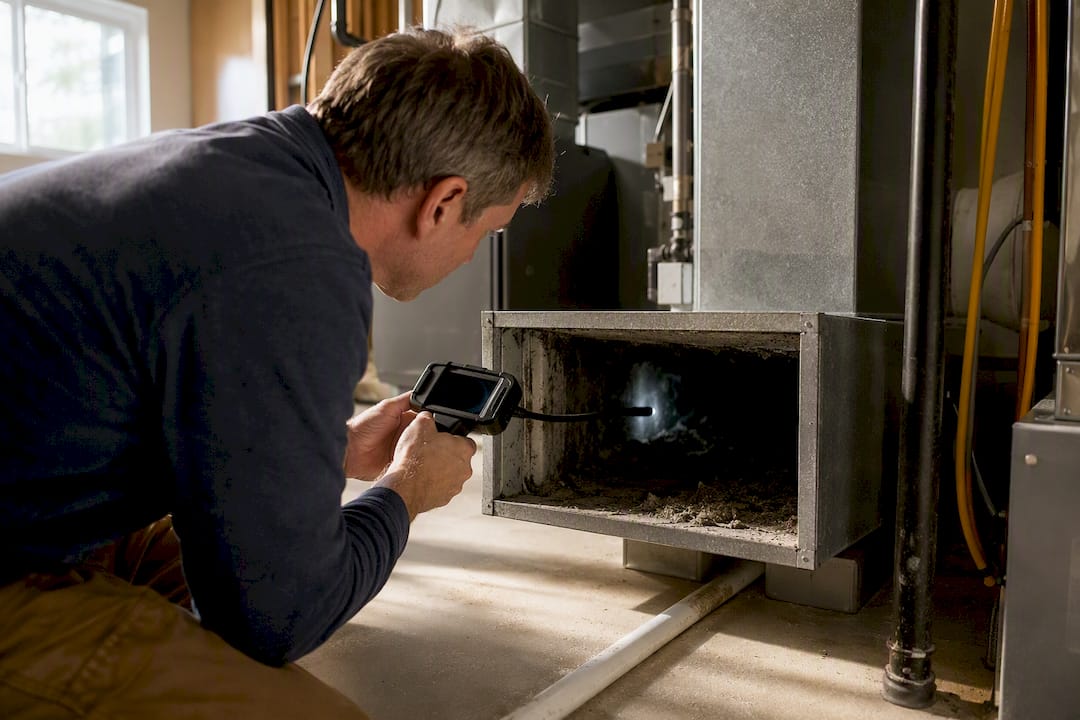
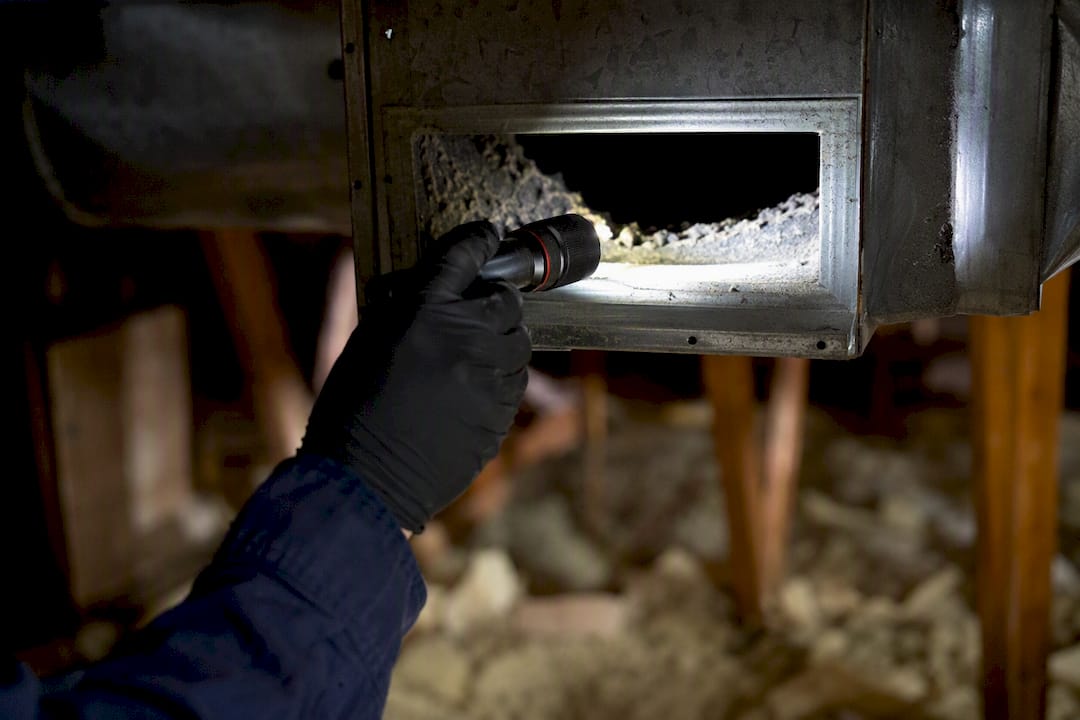
- Look inside a few vents with a flashlight. Check for mould (usually black, green, or white fuzz), pest droppings, or visible dust clumps that shake loose when air blows through.
- Shut the furnace off, swap in a fresh filter, and pop off two or three grille covers to hand wash them in warm soapy water.
- If you spotted mould, pests, or heavy debris, stop there. Book a professional inspection rather than pushing further into the ductwork yourself.
This isn’t a full clean, but it tells you within twenty minutes whether you have a real problem or just seasonal dust.
When does duct cleaning actually become necessary?
The EPA’s position surprises a lot of homeowners: it does not recommend routine duct cleaning as standard maintenance. Cleaning is warranted only when specific conditions are present, and the EPA outlines three of them explicitly.
- Visible mould growth inside the ducts or on other HVAC components, not just musty odours with no visible growth.
- Infestation by insects or rodents, evidenced by droppings, nesting material, or dead pests found in the system.
- Excessive amounts of dust, debris, or particles being released into the home through the supply registers, often from a renovation or a long-neglected filter.
There’s one exception worth flagging separately: fuel-burning furnaces, boilers, or water heaters that vent into the same system need an annual inspection regardless of visible debris, because of carbon monoxide risk. That’s an inspection issue, not necessarily a cleaning one, but it’s often checked at the same time.
What do professional duct cleaning methods actually involve?
Once one of those triggers applies, the job isn’t a vacuum wand shoved down a register for five minutes. NADCA (the National Air Duct Cleaners Association) defines the accepted approach, and it has two core components working together.
Mechanical agitation dislodges debris stuck to duct walls using rotating brushes, air whips, or similar tools driven through the ductwork. Continuous negative pressure runs simultaneously, using a powerful vacuum connected to the system so that everything the agitation knocks loose gets pulled out and contained rather than pushed further into the home or into another branch of the ductwork.
NADCA’s own guidance is direct on this point: agitation without containment just relocates dust instead of removing it.
- Brushes and air whips loosen settled debris from duct interiors.
- Contact vacuuming pulls loosened material directly at the source.
- Negative pressure across the whole system prevents cross-contamination between branches.
- Post-clean verification, sometimes vacuum or surface tests under the NADCA ACR standard, confirms the result.
Wet power washing, aggressive chemical fogging, or spraying cleaning agents inside ductwork is not part of standards-based practice. The NADCA ACR standard specifically warns against introducing water or cleaning agents to porous components like fibrous glass duct board, since moisture trapped in that material can encourage the exact mould growth you’re trying to eliminate.
If a company’s pitch leans heavily on chemical treatments or pressure washing as the main event rather than agitation and vacuum extraction, that’s a mismatch with the accepted standard.
What can homeowners safely clean themselves?
DIY has a real but narrow lane. You can improve what’s reachable by hand; you can’t replicate whole-system extraction with a household vacuum. Better Homes & Gardens’ rundown on this matches what most HVAC pros will tell you directly: household tools clean surface dirt on grilles and register openings, but they don’t reach the branch lines, plenums, or coil surfaces where deeper buildup accumulates.
- Power off the furnace at the thermostat and the breaker if you’re working near the blower compartment.
- Remove each vent cover and wash it in warm water with dish soap, then let it dry fully before reinstalling.
- Vacuum inside the register opening as far as your hose or a flexible brush attachment reaches, typically twelve to eighteen inches.
- Use a shop vac with a HEPA filter if you own one, since it captures fine particles instead of exhausting them back into the room.
- Replace the furnace filter before you finish, since a dirty filter undoes most of what you just did within a week.
Pro Tip: A cheap borescope camera (the kind that plugs into a phone) lets you look past the register bend without opening anything. If you see standing dust clumps, insulation debris, or anything that looks organic more than six inches in, that’s your signal to stop and call a professional rather than reaching further with a coat hanger or extended brush.
Don’t cut into ductwork, don’t run water or cleaning solution past the register, and don’t attempt to access the blower compartment or coils yourself. That’s where DIY becomes property damage.
When do you actually need to hire a professional, and how do you pick one?
Call a professional when any EPA trigger applies, when you’ve had recent renovation dust settle into the system, when you can hear or see pest activity in the ductwork, or when a persistent musty odour continues after you’ve changed the filter and cleaned reachable vents.
Choosing the right contractor matters as much as deciding to hire one. Run through this before booking:
- Confirm NADCA or INCV certification for the technician, not just the company name.
- Ask whether they perform a camera inspection before quoting, since reputable companies scope the ductwork first rather than pricing blind.
- Get a written scope that names which components are included (coils, blower, plenum, registers) and how cleanliness is verified afterward.
- Check for liability insurance and ask directly how they’ll protect flooring and furniture during the job.
Pro Tip: Ask point blank: “Will you show me before and after camera footage?” A legitimate operator answers yes without hesitation. Vague answers, doorknocking sales tactics, or prices quoted over the phone with no visual inspection are the clearest red flags in this industry. Our guide to hiring the right professional breaks down more of these questions in detail.
What should a standards-based professional job actually look like?
A job done correctly follows a predictable sequence, and knowing it lets you check the contractor’s work against the standard rather than taking their word for it.
- Camera inspection first, documenting the system’s condition before any work begins.
- Access openings cut where needed to reach deep sections, then resealed airtight afterward, since sloppy resealing causes energy loss later.
- Mechanical agitation and negative-pressure extraction applied across every component, coils, blower assembly, plenum, and registers, not just the visible trunk lines.
- Visual or NADCA-standard verification testing confirming the system meets cleanliness thresholds after the work.
- Documented disposal of extracted debris and a written summary of what was done.
Our breakdown of the equipment professionals actually use shows why truck-mounted negative pressure systems reach contamination levels that a shop vac simply can’t touch.
How do you prevent needing another cleaning so soon?
The cheapest, most effective prevention step is filtration. Upgrading to a MERV 11 to 13 filter where your furnace’s blower can handle the added resistance slows dust accumulation more reliably than any one-time cleaning does.
- Replace filters every one to three months depending on pets, renovation activity, and household size.
- Fix condensate leaks, poor attic insulation, or humidity issues that encourage mould before they reach the ductwork.
- Vacuum and dust registers regularly, and keep return-air grilles clear of furniture and rugs.
Efficiency gains from duct cleaning alone are inconsistent; Trane’s own guidance notes that cleaning coils, the blower, and drain pans tends to move the needle more than duct cleaning by itself.
What safety risks should you know about before cleaning ducts?
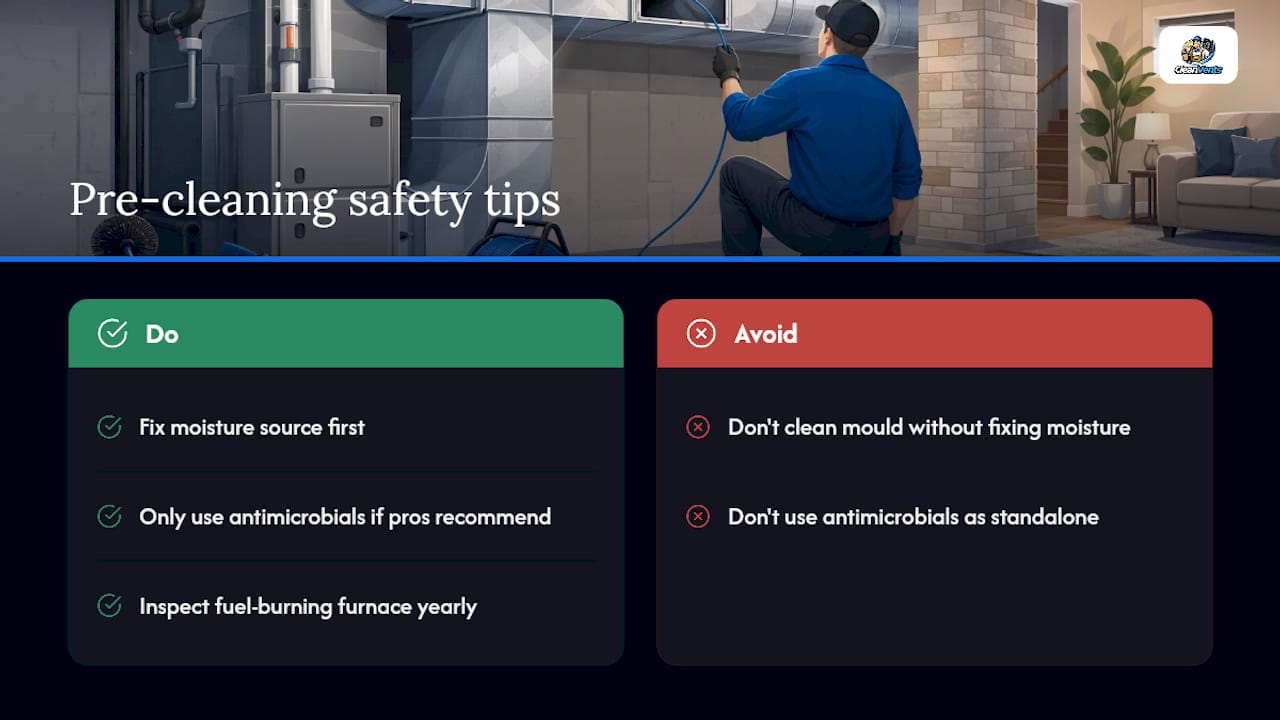
Cleaning visible mould without fixing the moisture source that caused it is a wasted effort, since it typically returns within weeks. Skip chemical antimicrobial treatments unless a professional recommends one after mechanical cleaning, and never as a standalone fix. If your furnace burns gas, oil, or propane, get it inspected annually for carbon monoxide risk, regardless of visible duct debris.
Why Clean Vents builds every job around verification, not guesswork
We follow INCV certification standards because “trust us” isn’t good enough when you’re talking about the air your family breathes. Every job includes camera inspection before and after the clean, so you see the difference rather than take our word for it. If mould, pests, or heavy debris are showing up in your vents, that’s the moment to request an inspection, not months down the line.
— Clean Vents
Get a whole-system duct cleaning done right the first time
There’s a real gap between a vacuum wand pushed a foot into a register and a genuine whole-system clean. Clean Vents closes that gap with INCV-certified technicians who treat the coils, blower, plenum, and registers as one connected job, not separate afterthoughts.
Every appointment starts with a camera inspection so you know exactly what’s in your ductwork before any work begins, followed by mechanical agitation and negative-pressure extraction across the full system, then a second camera pass so you see the before-and-after difference for yourself. Pricing is flat and upfront, no surprise add-ons once the technician is already in your basement. If you’ve spotted mould, pest activity, or dust pouring out of your registers, book your air duct cleaning inspection and get a straight answer on what your system actually needs.
Sources
- Should You Have the Air Ducts in Your Home Cleaned? | EPA
- Proper Cleaning Methods | NADCA
- 4 things you need to know about duct cleaning | Trane
- How to clean air ducts yourself | Better Homes & Gardens
FAQ
How often should furnace ducts be cleaned?
There’s no fixed schedule. The EPA recommends cleaning only when you see mould, pests, or excessive debris release, not on a routine calendar basis, though a filter upgrade to MERV 11 to 13 can stretch the time between cleanings considerably.
Can I clean my furnace ducts myself?
You can handle grille washing, register vacuuming, and filter changes yourself, but full system cleaning requires professional negative-pressure equipment that reaches coils, the blower, and branch lines a household vacuum can’t access.
Does cleaning air ducts really make a difference?
It makes a real difference when one of the EPA triggers is present, since removing mould, pests, or heavy debris directly improves indoor air quality; efficiency gains from duct cleaning alone are less consistent than gains from cleaning coils and the blower.
What happens if you never clean air ducts?
For most homes with no mould, pests, or debris issue, nothing bad happens. If one of those conditions does exist and goes unaddressed, contaminants keep circulating through the home every time the furnace runs, and mould can spread further into porous duct materials over time.