

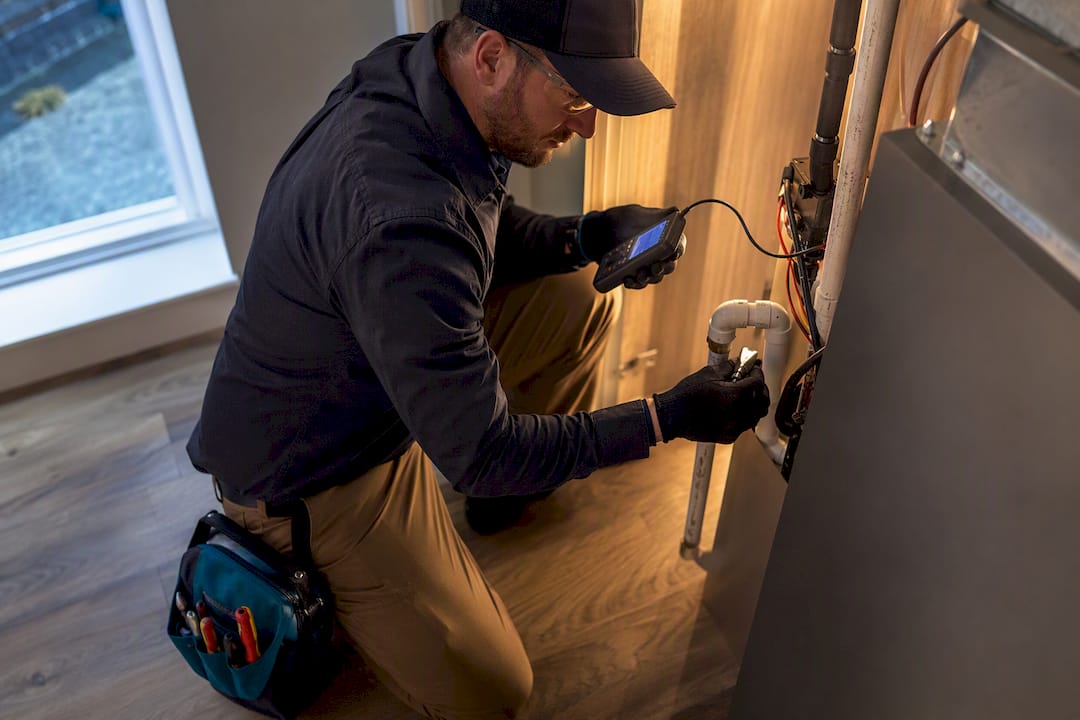
Check or change your filter every month, book a professional tune-up in spring and again in fall, and inspect your ductwork twice a year. That combination alone prevents most of the breakdowns homeowners deal with, and it costs a fraction of an emergency repair. Everything else in HVAC system maintenance builds on those three habits.
TL;DR:
- Regularly inspecting and replacing filters every 30 to 90 days prevents system strain and improves efficiency, especially for homes with pets or allergy sufferers.
- Booking cooling and heating tune-ups in early spring and fall, respectively, ensures problems are fixed before peak demand and saves up to 20% in costs.
- A professional HVAC tune-up includes electrical checks, coil cleaning, refrigerant pressure assessment, and safety inspections, costing between $75 and $350 per visit.
- Duct leaks cause 20 to 30% of conditioned air loss, leading to higher bills and uneven temperatures; sealing leaks with mastic or foil tape is essential.
- Maintaining proper records and scheduling services through certified technicians safeguards your warranty and ensures comprehensive system diagnostics.
Table of Contents
- Monthly DIY HVAC maintenance checklist
- When should you schedule spring and fall HVAC tune-ups?
- What does a professional HVAC tune-up actually include?
- How much conditioned air do leaky ducts waste?
- How much does HVAC maintenance cost, and when should you book it?
- HVAC maintenance calendar by season
- The simplest HVAC maintenance plan that actually works
- Common HVAC maintenance mistakes to avoid
- Warranty implications of regular HVAC maintenance
- How to choose a qualified HVAC maintenance professional
- What conventional HVAC advice gets wrong
- Get your ductwork checked by Clean Vents
- Sources
- FAQ
Monthly DIY HVAC maintenance checklist
You don’t need tools or training for most of this. A flashlight and ten minutes a month cover the essentials.
- Inspect the filter. Hold it up to a light. If you can’t see light through it, replace it. Standard 1-inch fibreglass filters need changing every 30 days; pleated filters can stretch to 60–90 days. Homes with pets or allergy sufferers should check monthly regardless of filter type, since dirty filters can force your system to work far harder than necessary, with correcting airflow problems improving efficiency by as much as 15%.
- Walk your vents. Confirm supply and return vents aren’t blocked by furniture, rugs, or curtains, and sniff around the indoor unit for musty or burning odours.
- Flush the condensate drain. Find the cleanout (usually a capped T-fitting near the indoor coil) and pour a cup of white vinegar through it every few months to prevent algae blockages.
- Check the outdoor unit. Clear a two-foot perimeter of leaves, grass clippings, and mulch, and gently hose down the fins if they look coated in dust.
- Test the thermostat. Replace batteries annually and confirm your schedule still matches your routine, especially after clock changes.
Pro Tip: Keep a small notebook or phone note logging filter changes and any odd sounds or smells. Technicians can diagnose problems faster when you can tell them exactly when an issue started.
When should you schedule spring and fall HVAC tune-ups?
Timing matters almost as much as the tasks themselves. Book your cooling tune-up in March or April and your heating tune-up in September or October, before contractors get slammed with emergency calls.
Spring tasks (cooling system):
- Rinse the outdoor condenser coil with a garden hose, working from the inside out to push debris away from the fins.
- Leave refrigerant charge checks to a certified technician. Refrigerant is pressurized and regulated, and low charge often signals a leak that needs proper diagnosis, not just a top-up.
- Schedule your spring tune-up early. Restoring clearance and rinsing dirty coils can recover 15–25% of lost cooling capacity, and a professional visit before the first hot week catches problems while parts are still in stock.
Fall tasks (heating system):
- Have a technician inspect the heat exchanger on gas furnaces. Cracks here can leak carbon monoxide into your home, and this check is not a DIY job.
- Get the flue and venting inspected for blockages, especially if birds or debris have nested over the summer.
- Run your heat for 15 to 20 minutes on a mild day before the cold sets in. If you smell anything unusual or hear grinding, you want to know that in October, not during a January cold snap.
The split between homeowner tasks and technician-only tasks comes down to risk. Rinsing a coil or clearing brush is low-stakes. Combustion analysis, refrigerant handling, and electrical diagnostics involve gas, pressurized chemicals, or live current, and belong to a licensed professional.
Booking outside peak season pays off directly. Scheduling in these off-peak windows typically saves 10–20% compared to calling a contractor during a heat wave or deep freeze, and you’ll usually get your preferred appointment time instead of whatever slot is left over.
What does a professional HVAC tune-up actually include?
A real tune-up is a diagnostic process, not a filter swap with a receipt attached. Here’s the checklist a competent technician should work through:
- Electrical system: tighten loose connections and measure voltage and amp draw against manufacturer specs.
- Refrigerant and pressure: checked only by a certified technician, since refrigerant handling requires specific certification under EPA Section 608 in the US, with comparable licensing requirements for technicians in Canada.
- Coils and blower: clean the evaporator and condenser coils, check airflow, and measure the temperature drop across the coil, which should typically fall between 15 and 20 degrees Fahrenheit.
- Contactor and capacitor: inspect for pitting, swelling, or signs of imminent failure.
- Condensate drain: flush and confirm it’s draining properly, with no standing water in the pan.
- Thermostat calibration and a check of belts and moving parts for lubrication needs.
- Heating safety: heat exchanger inspection, combustion analysis, and a flue and venting check on gas systems.
Expect to pay $75 to $350 per visit depending on system type, scope, and where you live.
That price range matters for spotting a bad deal. Preventive maintenance done properly can head off most common system breakdowns before they happen, but that only holds if the technician actually performs the diagnostics above. A $60 “tune-up” that skips voltage testing and temperature-drop measurement isn’t really a tune-up. It’s a filter change with a markup.
How much conditioned air do leaky ducts waste?
A tune-up on your equipment doesn’t help much if a third of the air it produces never reaches your living room. A typical house loses 20 to 30% of conditioned air through duct leaks before it ever exits a vent, which shows up as higher bills, uneven room temperatures, and a system that runs longer than it should to hit the thermostat’s target.
Walk through accessible sections in your attic, basement, or crawlspace and look for disconnected joints, crushed flex duct, and insulation that’s fallen away from seams. You can inspect ductwork yourself for the obvious problems before deciding whether sealing or a full cleaning is the right next step.
- Sealing: use mastic paste or foil-backed metal tape on accessible joints. Skip the cloth-backed “duct tape” you’d use for cardboard boxes. It dries out and peels within a couple of years, and it was never rated for this job.
- Signs you need professional duct cleaning: visible debris in vents, a musty smell when the system kicks on, or noticeably weaker airflow, since accumulated debris can block up to 30% of airflow in affected sections.
- Sealing alone fixes air loss from leaky joints. Cleaning is what removes years of dust, pet hair, and in some cases mould growth sitting inside the ducts themselves. Many homes need both.
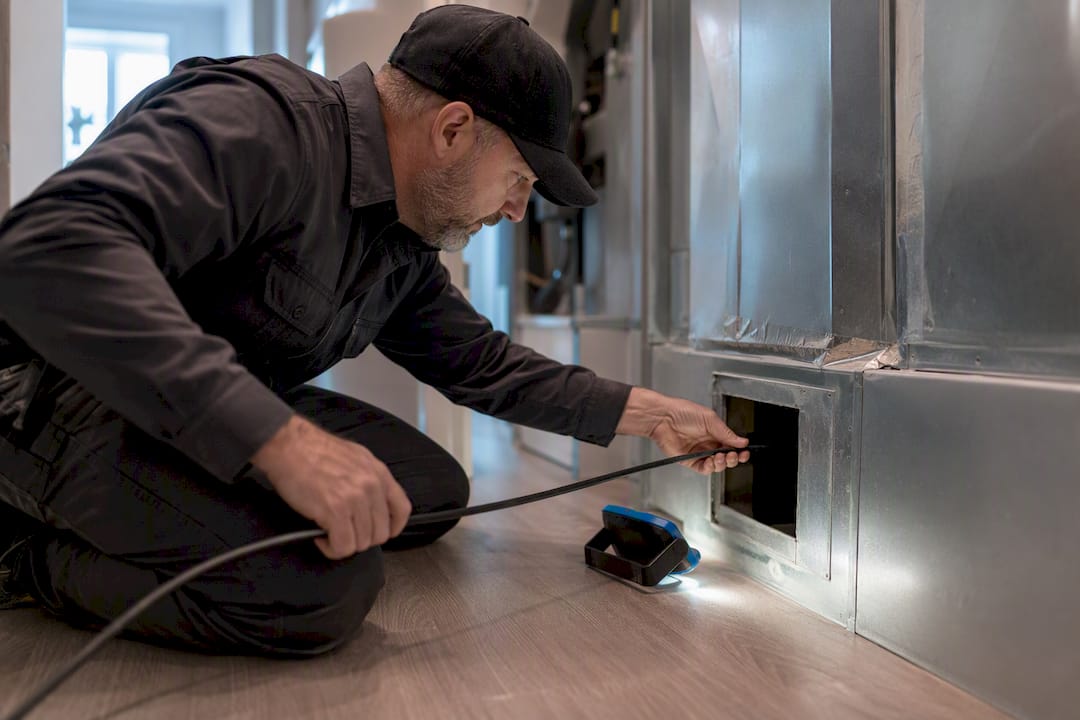
Pro Tip: If a contractor offers to run an inspection camera through your ducts before quoting a cleaning, take them up on it. Seeing the actual debris load tells you whether you need a full service or just a spot fix. Clean Vents follows INCV standards and uses camera inspection when it will change the scope of work, rather than quoting blind.
How much does HVAC maintenance cost, and when should you book it?
Budget $75 to $350 per professional visit, or $150 to $300 a year for a maintenance plan that bundles both seasonal tune-ups. The plan often offers better value than two separate visits at retail pricing, and plan members usually benefit from priority scheduling during busy periods.
- Book spring visits in March or April and fall visits in September or October, ahead of the seasonal rush.
- Off-peak scheduling saves 10–20% on labour and often shortens the wait for an appointment.
- On repair versus replace: you’ll sometimes hear the “$5,000 rule,” where you multiply the age of your unit by the estimated repair cost, and replace if the total tops $5,000. Treat it as a rough gut-check, not a hard rule. A 12-year-old furnace with a $500 repair (total: $6,000) might still be worth fixing if it’s otherwise reliable; a 4-year-old unit with the same repair bill clears the threshold and shouldn’t.
HVAC maintenance calendar by season
| Season | Months | Top tasks |
|---|---|---|
| Spring | March–April | AC tune-up, filter reset, rinse condenser coil, vinegar condensate flush |
| Summer | June–August | Monthly filter checks, keep outdoor unit clear of debris |
| Fall | September–October | Furnace tune-up, test CO and smoke alarms, run heat briefly, change filter |
| Winter | December–February | Clear snow from outdoor unit, monthly filter checks |
Pin this to your fridge or set four calendar reminders. That’s really all the scheduling this requires.
The simplest HVAC maintenance plan that actually works
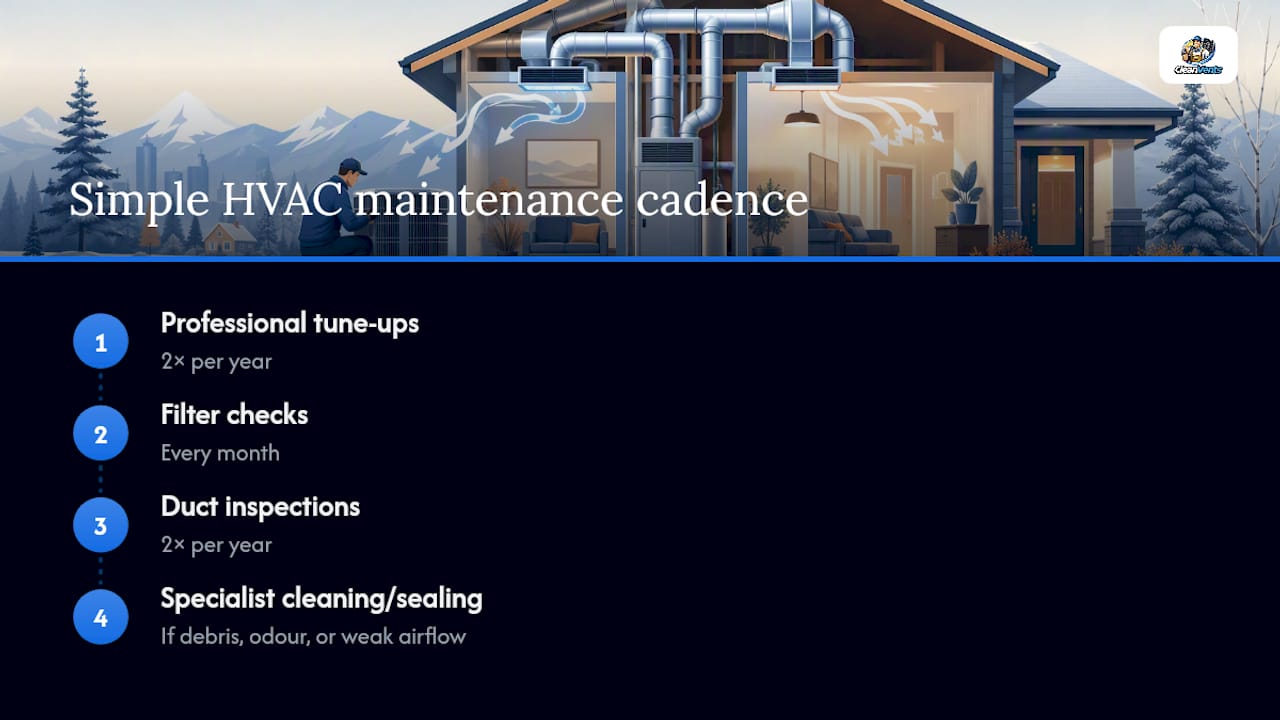
Two professional tune-ups a year, filter checks every month, and a duct inspection twice annually cover the vast majority of what causes HVAC failures. When ducts show debris, odours, or weak airflow, bring in a certified specialist for cleaning or sealing rather than guessing. Log every service date, and consider a maintenance plan if priority scheduling matters to you.
Common HVAC maintenance mistakes to avoid
The costliest mistake is treating maintenance as a one-time event instead of a recurring habit. Homeowners often book a tune-up when something already feels wrong, rather than on a spring and fall schedule, which means small issues get caught only after they’ve already strained the system.
Ignoring the filter until it’s visibly grey is the second most common error. By the time a filter looks obviously dirty, airflow has already been restricted for weeks, forcing the blower motor to work harder and wearing it down faster than it should.
Accepting the cheapest tune-up quote without asking what’s included causes problems down the line. As noted earlier, a $50 special that skips voltage testing and coil cleaning isn’t a real tune-up, and skipping those checks lets small electrical or airflow issues go undetected for another six months.
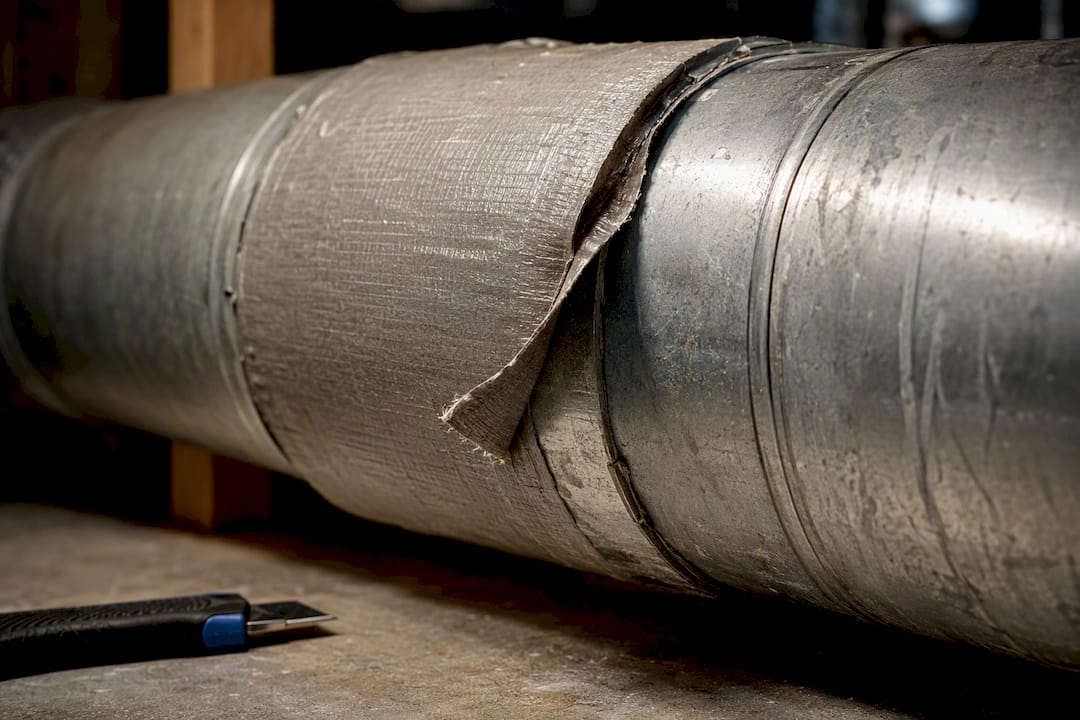
Sealing ducts with cloth-backed tape is a classic DIY misstep. It looks like a fix for a year or two, then dries out and peels, leaving the same leak it was meant to solve.
Closing vents in unused rooms to “save energy” actually backfires on most forced-air systems. It increases pressure in the ductwork and can strain the blower, rather than reducing overall energy use.
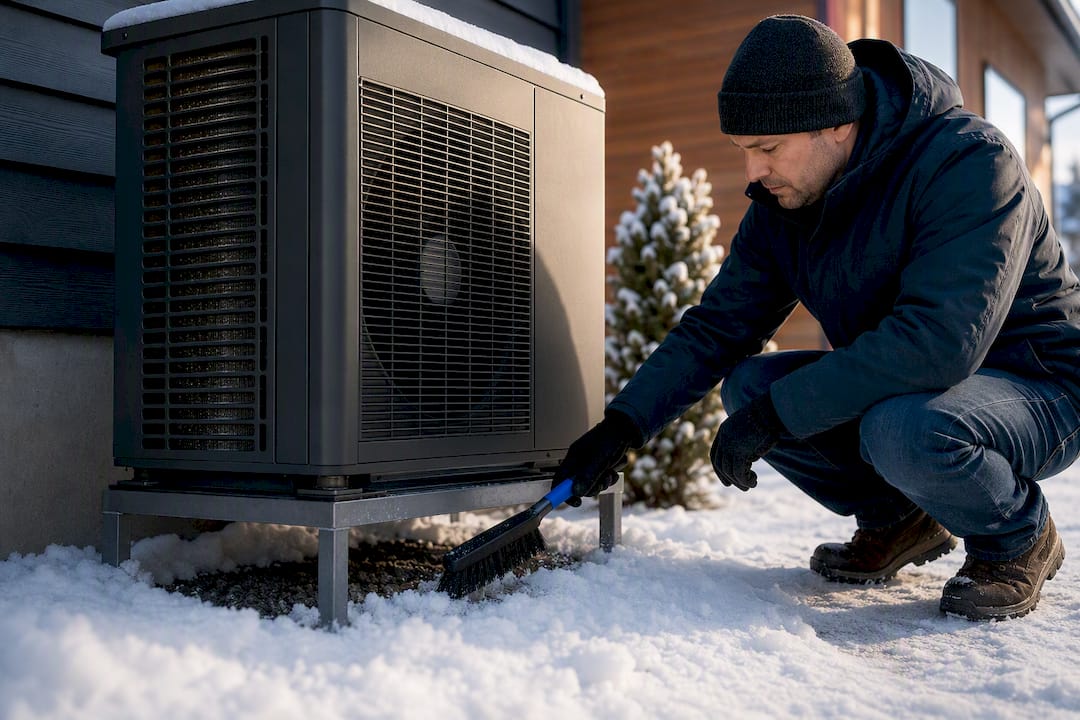
Skipping the outdoor unit in winter is easy to forget, but snow and ice buildup around a heat pump can restrict airflow and trigger defrost cycles that waste energy. A five-minute check after a snowfall avoids the problem entirely.
Finally, not keeping any service record makes every future visit start from zero. A technician working blind, without knowing what was done last spring, ends up re-diagnosing issues that a two-line log could have already answered.
Warranty implications of regular HVAC maintenance
Most manufacturer warranties on furnaces, air conditioners, and heat pumps require proof of annual professional maintenance, and this is not a minor fine-print detail. If a compressor or heat exchanger fails and you file a warranty claim, the manufacturer can request maintenance records. No records, or records showing you skipped seasonal service, can mean a denied claim even when the part itself failed for reasons unrelated to upkeep.
This is why keeping receipts and service dates matters beyond just tracking your own maintenance habits. A folder with technician invoices, dated filter changes, and any parts replaced becomes your evidence if a major component fails within the warranty window, which often runs 5 to 10 years on parts and sometimes longer on compressors or heat exchangers.
Extended warranties and manufacturer-backed labour warranties are often stricter still, sometimes requiring maintenance from a technician certified on that specific brand of equipment. Read the warranty documentation when you buy new equipment, not after something breaks. Some warranties specify the maintenance interval in months rather than “annually,” which matters if your spring and fall visits drift later each year.
DIY tasks like filter changes and coil rinsing generally don’t need documentation for warranty purposes, since manufacturers expect those as baseline upkeep. It’s the professional diagnostic visits, the ones covering refrigerant levels, electrical load, and combustion safety, that need a paper trail. Losing warranty coverage on a $6,000 furnace over a missing $200 service invoice is the kind of mistake that’s entirely preventable with a simple filing habit.
How to choose a qualified HVAC maintenance professional
Start with certification, not just a business card. Look for technicians holding recognized credentials for the work they’re performing, refrigerant handling certification for anyone touching your air conditioner or heat pump, and, where duct cleaning is involved, adherence to INCV standards, the certification Clean Vents technicians carry for ductwork services.
Ask what the visit actually includes before booking. A qualified technician should be able to describe voltage and amp testing, coil cleaning, temperature-drop measurement, and condensate drain checks without hesitation. If the answer is vague, that’s a signal to call someone else.
Get the price in writing before the technician arrives. Upfront flat-rate pricing protects you from a low quoted price that balloons once someone’s on-site. Reputable companies list their pricing structure clearly rather than requiring an in-home visit just to get a number.
Check how long the company has operated locally and whether they carry liability insurance, especially for any work involving gas lines or electrical panels. A technician working on your furnace’s heat exchanger or your air conditioner’s electrical components should carry coverage that protects your home if something goes wrong during the job.
Finally, ask about guarantees. A company confident in its work will stand behind it with some form of satisfaction guarantee rather than treating the invoice as the end of the relationship. If you need duct-specific work, confirm the technician uses inspection tools like a camera scope to show you the actual condition of your ducts, not just a verbal assurance that the job is done.
What conventional HVAC advice gets wrong
Most HVAC maintenance guides treat filter changes and duct health as separate topics, when they’re really the same problem viewed from two ends of the system. A clean filter protects the coil and blower. Sealed, clean ducts protect everything downstream of the equipment, including the air you’re actually breathing.
The other place conventional advice falls short is cost framing. Guides love to warn homeowners about expensive emergency repairs, but they rarely explain why maintenance visits vary so widely in price. A $75 visit and a $350 visit are not interchangeable services with different price tags; they’re often entirely different scopes of work, and the cheaper one frequently skips diagnostics that catch problems early.
If we had to pick one priority for readers who can only manage one habit this year, it wouldn’t be the filter, even though that’s the advice you’ll hear most often. It would be getting your ducts inspected. Equipment maintenance keeps your system running efficiently, but ducts determine whether that efficiency ever reaches your rooms, and whether the air reaching them is actually clean.
— Clean Vents
Get your ductwork checked by Clean Vents
Clean Vents is the specialist to call once your monthly filter checks and seasonal tune-ups turn up a duct problem you can’t fix with tape and a vacuum. Homeowners and property managers across Laval and nearby communities hire Clean Vents for the parts of HVAC upkeep that go beyond DIY: full duct cleaning, dryer vent cleaning, and wall-mounted AC cleaning, all quoted upfront with flat-rate pricing before any work begins.
Every technician works to INCV certification standards, and for jobs where the scope is unclear, Clean Vents uses inspection camera footage so you can see the actual state of your ducts rather than take someone’s word for it. If your ducts are showing the warning signs covered above, musty odours, visible debris, or airflow that’s noticeably weaker than it used to be, book a free quote for air duct cleaning and get a technician out to assess it properly.
Sources
- Guide to maintaining your home heating and cooling system
- How to keep your HVAC system working efficiently (ENERGY STAR)
- HVAC maintenance checklist: seasonal DIY guide
FAQ
What maintenance is needed for an HVAC system?
At minimum, check or replace the filter monthly, schedule a professional tune-up each spring and fall, and inspect ductwork twice a year for leaks, disconnections, or debris buildup.
What is the $5,000 rule for HVAC systems?
It’s a rough guideline where you multiply your system’s age by the estimated repair cost. If the total exceeds $5,000, replacement is usually more cost-effective than repair, though the age and reliability of the specific unit should factor into that decision too.
How often should HVAC systems be serviced?
Professional service is recommended twice a year, cooling systems in spring and heating systems in fall, with filter checks done monthly in between.
Is HVAC maintenance really necessary?
Yes. Skipping it typically leads to higher energy bills, shortened equipment life, and a real risk of voiding a manufacturer’s warranty if the system fails without documented maintenance history.
How do I know if I need professional duct cleaning?
Visible debris in vents, musty odours when the system runs, or noticeably weak airflow all point to duct problems that go beyond a filter change and are worth having a certified specialist assess.